Frequently Asked Questions About Japan's Nightlife

We provide objective explanations on topics such as the evolution of urban culture, the nighttime economy, and safety measures.

How has Japan's nightlife culture evolved?

Since the period of rapid economic growth, bars and clubs have developed and become established as social venues, primarily in urban areas. In recent years, diversification and decentralization have progressed, with an increase in community-based dining establishments and experiential nighttime events. Furthermore, influenced by regulations on late-night operations and work-style reforms, its form continues to change with the times.

What is the "nighttime economy"? How does it impact regional revitalization?

The nighttime economy refers to the collective economic activities conducted from evening until late at night, spanning a wide range of areas including dining, entertainment, and transportation. In terms of regional revitalization, it contributes to extending tourists' stay, creating employment, and enhancing the appeal of the area. On the other hand, coexistence with residents and consideration for the environment are key to sustainable development.

What kind of safety measures are in place in nightlife areas?

Main measures include the installation of street security cameras, enhanced patrols by police and private security personnel, and the establishment of communication networks among businesses. Additionally, ensuring transportation options to prevent drunk driving and awareness activities to preempt conflicts between customers are also important initiatives.

What are the social impact aspects of nightlife?

Positive aspects include the promotion of cultural exchange, providing venues for stress relief, and the formation of local communities. On the other hand, challenges such as noise issues, increased waste, and security concerns can also arise. Balancing these impacts is crucial for nurturing a rich urban culture.

Are there examples of nighttime revitalization that leverage regional characteristics?

Unique initiatives are being carried out in various regions, such as "night tourism" featuring illuminated historical buildings, promotions for late-night eateries using local ingredients, and events where traditional performing arts can be enjoyed at night. For success, reassessing local resources and cooperation among residents, businesses, and local government are essential.

The Evolution of Japan's Nightlife Culture

Japan's urban culture and nighttime economy have undergone significant transformations from the post-war reconstruction period to the present day. During the period of rapid economic growth, entertainment districts developed as centers of economic activity, becoming a driving force for regional revitalization. However, following the collapse of the bubble economy and with societal maturation, these spaces evolved from mere venues for consumption into cultural spaces offering diverse value.

We have launched a project to objectively record and analyze this evolution and disseminate educational information on safety measures and social impact. We wish to share a narrative with many people, exploring what constitutes a true contribution to the regional economy and the form of a sustainable nighttime culture.
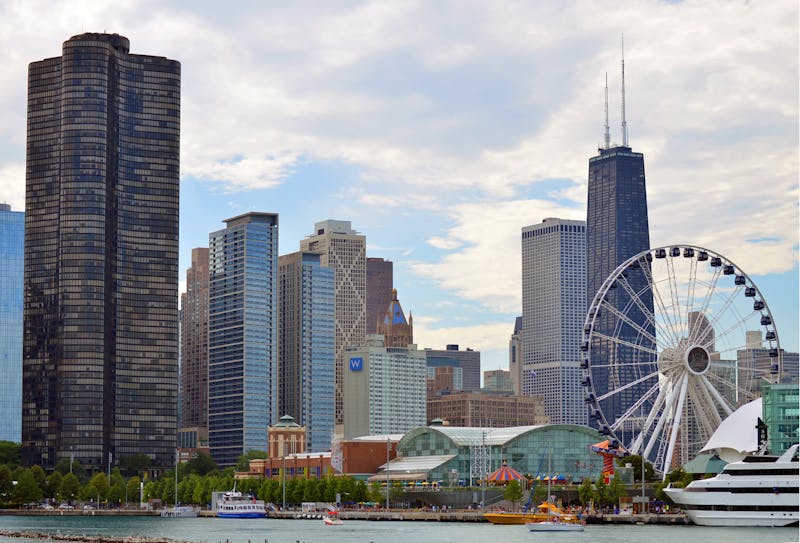

Urban nightlife and cityscape at night
About Us

Nightlife Evolution

We record and analyze the evolution of Japan's urban culture and nighttime economy from an objective and educational perspective, sharing insights on safety measures and regional revitalization. We do not engage in commercial solicitation.

1
🌃

Chronicler of Urban Culture

We systematically record and explain the evolution of Japan's nightlife and urban culture from the period of high economic growth to the present day, along with its socio-economic background. We examine the role of nightlife districts as spaces for entertainment, dining, and social interaction.

Deciphering the Future from History
2
🛡️

Proposals for Safety Measures

We focus on the challenges accompanying the development of the nighttime economy, particularly safety measures. We introduce domestic and international best practices and trends in laws and regulations to help local communities and businesses collaborate in building a sustainable environment.

Safety as the Foundation of Sustainability
3
📈

Perspectives on Regional Revitalization

We analyze the multifaceted impact of nightlife on the regional economy. We examine the positive social effects of the nighttime economy, such as job creation, spillover effects on tourism, and the formation of regional identity.

Aiming for a Virtuous Cycle of Economy and Culture
4
⚖️

Objective Information Dissemination

Our mission is to provide objective and reliable information, free from bias towards specific commercial interests. Based on data and case studies, we create a platform for constructive dialogue on nightlife and urban culture.

🌐 Language
JA EN